
THE HISTORY OF
KOLKATA
A JOURNEY THROUGH TIME
From colonial beginnings and cultural awakening to freedom movements and modern milestones. Kolkata's history is a story of resilience, creativity and timeless heritage.
THE CULTURAL HEART OF INDIA
Kolkata, the capital of West Bengal, has been a vital observer of political, social and cultural expansions for centuries. From being the capital of British India to the Bengal Renaissance, the city has shaped India's history in countless ways.
Its rich legacy of art, literature, education, architecture and freedom struggles made Kolkata a city like no other.
History
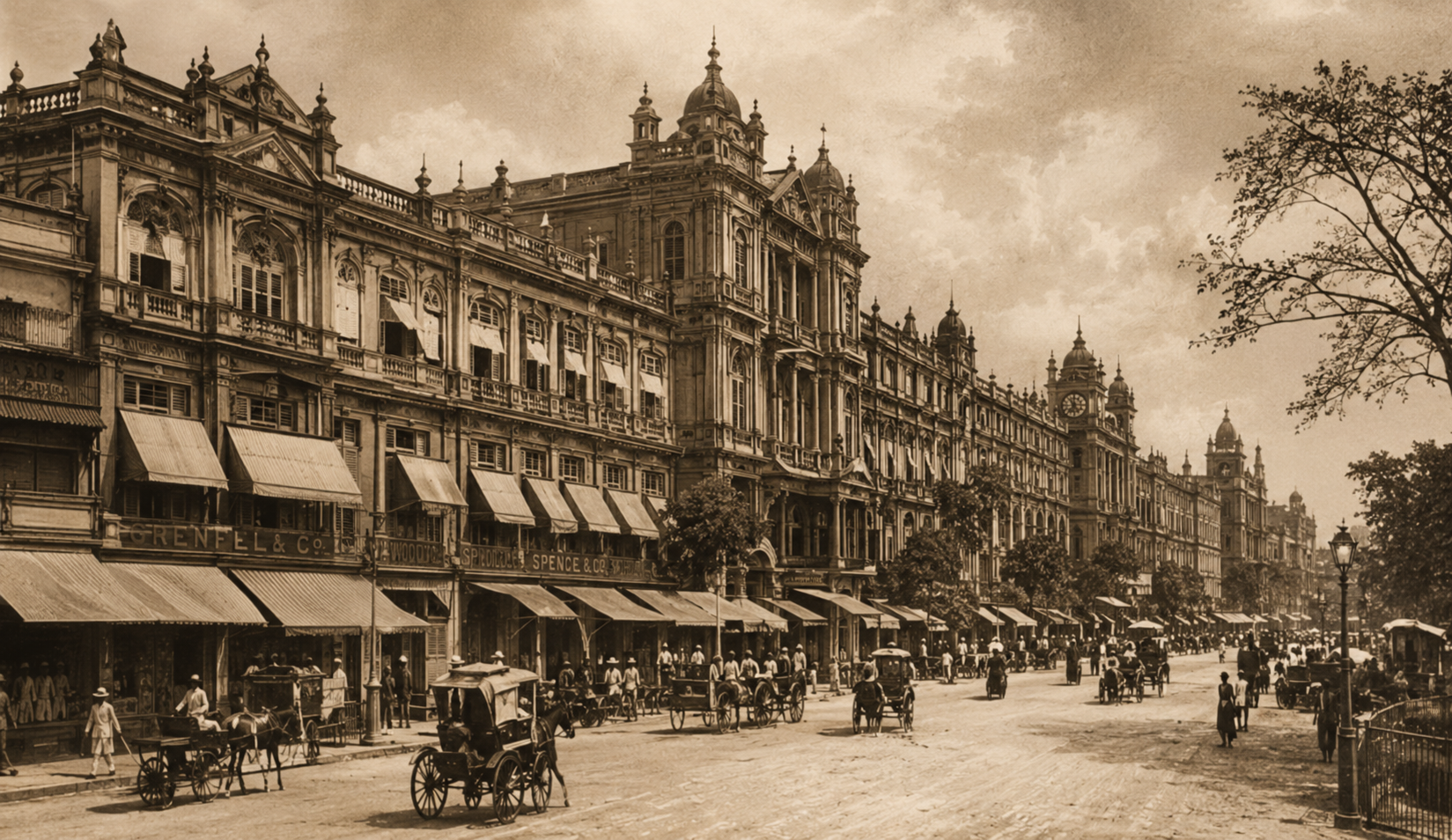
The city of Calcutta has a rich history of more than 300 years. It was once considered the second most important city in the world after London. The city was then the capital of British India and a hub of activity. The root of today’s “city of joy” lies in its rich history of 300 years. Here we look into the brief history of the city.
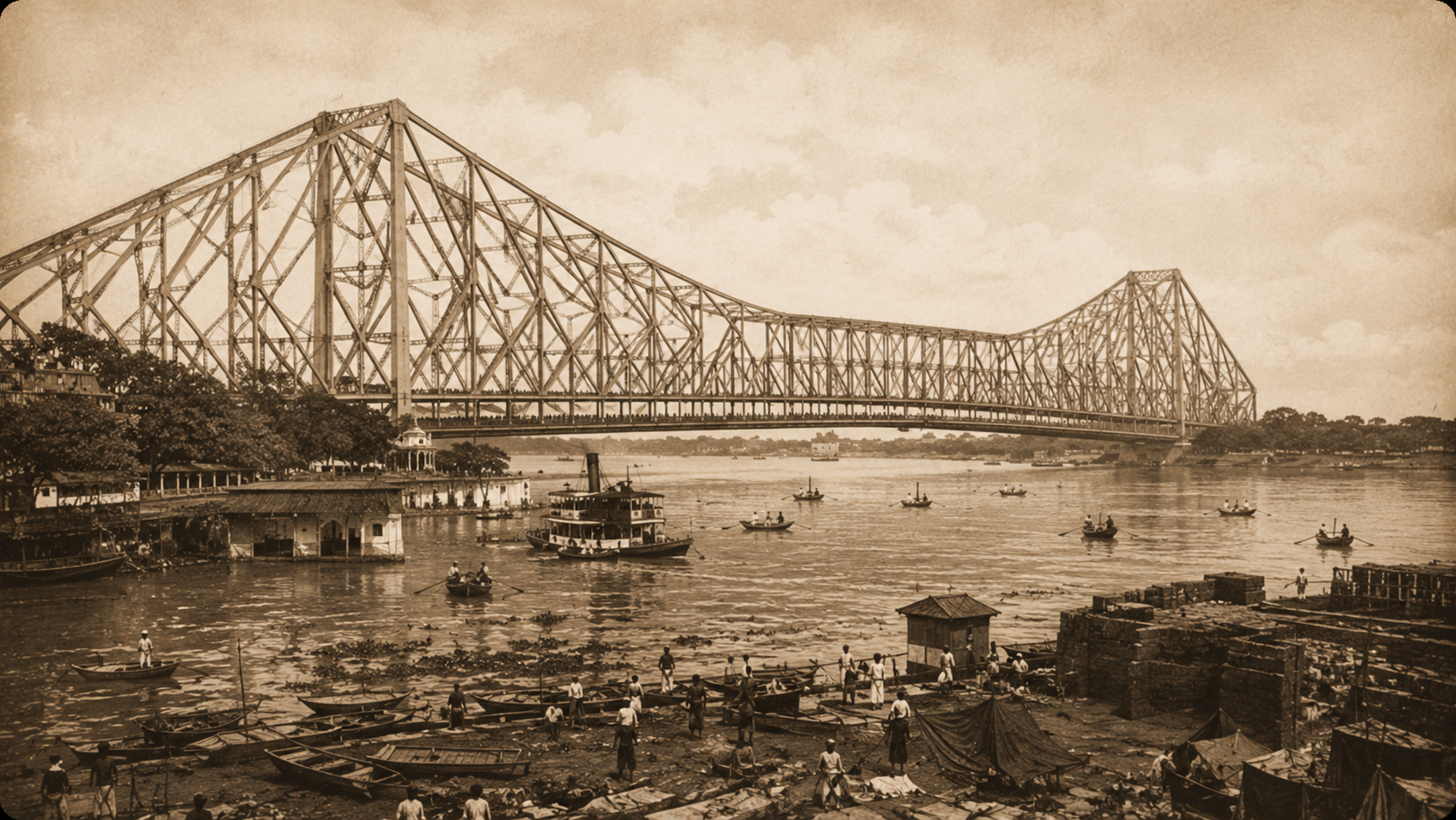
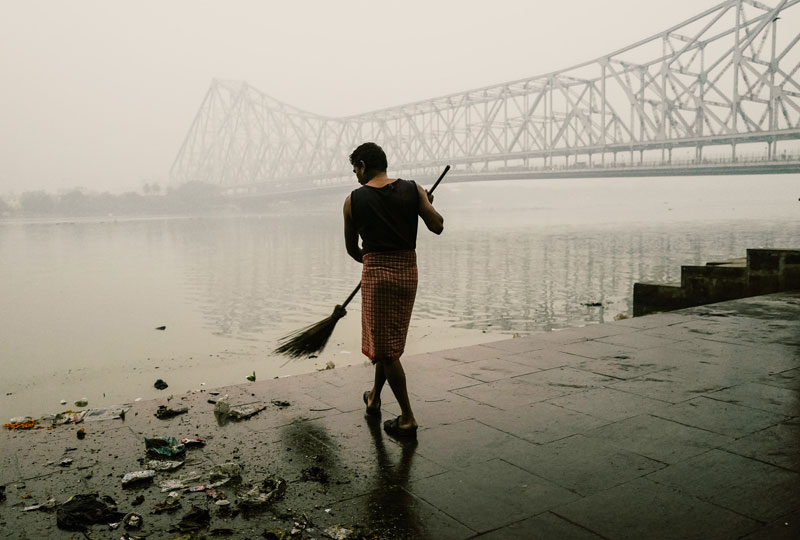
The cantilever bridge is the third longest in the world and also the busiest cantilever bridge in the world. It is an Icon of Calcutta.
This is another Iconic building of Calcutta. The marbled building and its lawn have come to represent the City.
The Writers’ Building, an architectural jewel nestled in the heart of Calcutta, stands as a living testament to the city’s colonial heritage. Built in the late 18th century, it served as the administrative headquarters during British rule, witnessing the ebb and flow of history.
St. John’s Church, an architectural gem in the heart of Calcutta, is a historical sanctuary echoing tales of British colonial legacy. Consecrated in 1787, its neo-Gothic structure graced by towering spires and serene courtyards, encapsulates the city’s religious and historical narrative.
Mother House in Calcutta is the sacred abode where Mother Teresa, the epitome of compassion, lived and founded the Missionaries of Charity. A haven of solace, this unassuming structure radiates love and service. Pilgrims and admirers visit to pay homage to the saintly figure whose legacy continues to inspire global humanitarian efforts.
Dakshineswar Kali Temple, a spiritual jewel in Calcutta, India, stands
on the banks of the Hooghly River. Built in 1855, it’s dedicated to
Goddess Kali. The temple’s exquisite architecture and serene
surroundings draw devotees seeking divine blessings, making it a revered
pilgrimage site and an embodiment of Bengal’s religious and cultural
heritage.